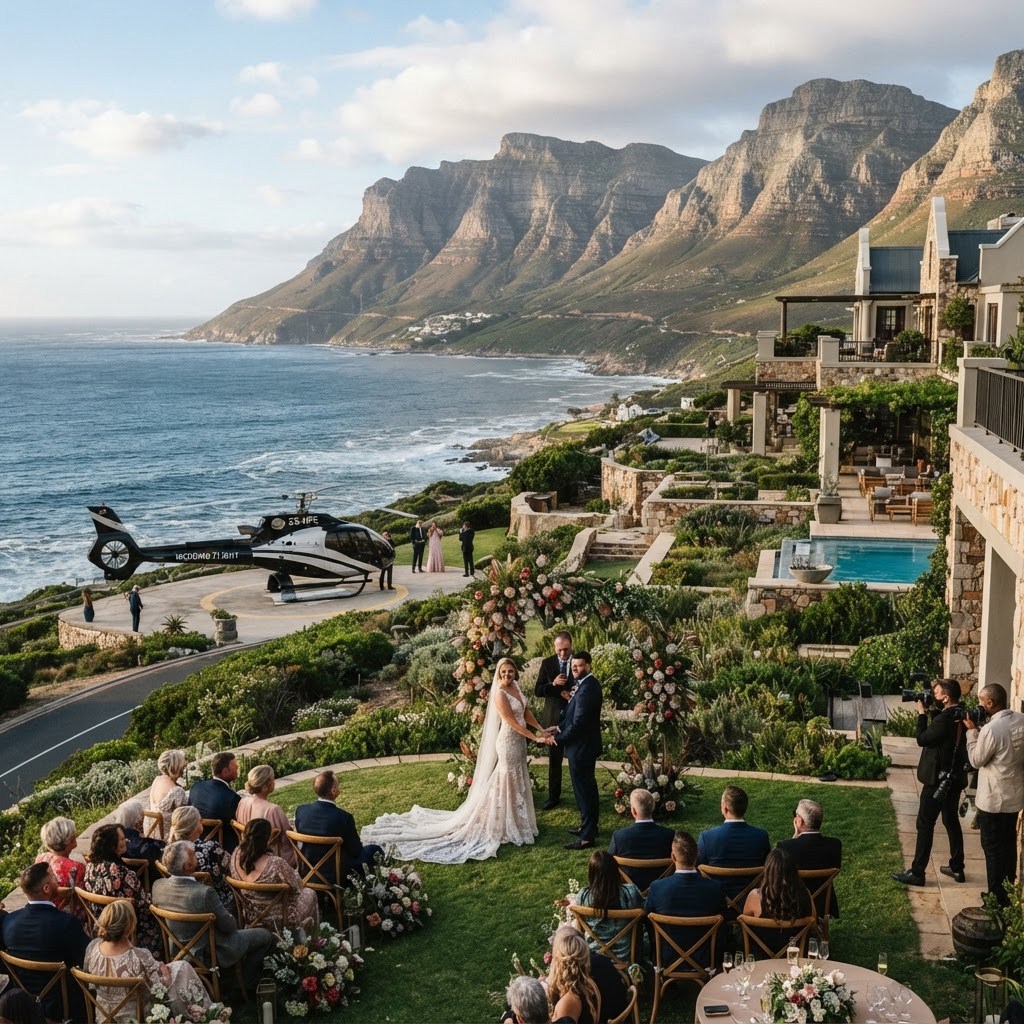
In the competitive South African wedding market, a breathtaking view or an elegant hall is only half the battle. Your venue's reputation—and ultimately its profitability—hinges on one crucial factor: your staff. Whether you are operating a boutique estate in the Cape Winelands or a luxury hotel in Sandton, providing world-class service is what converts satisfied couples into lifelong brand ambassadors.
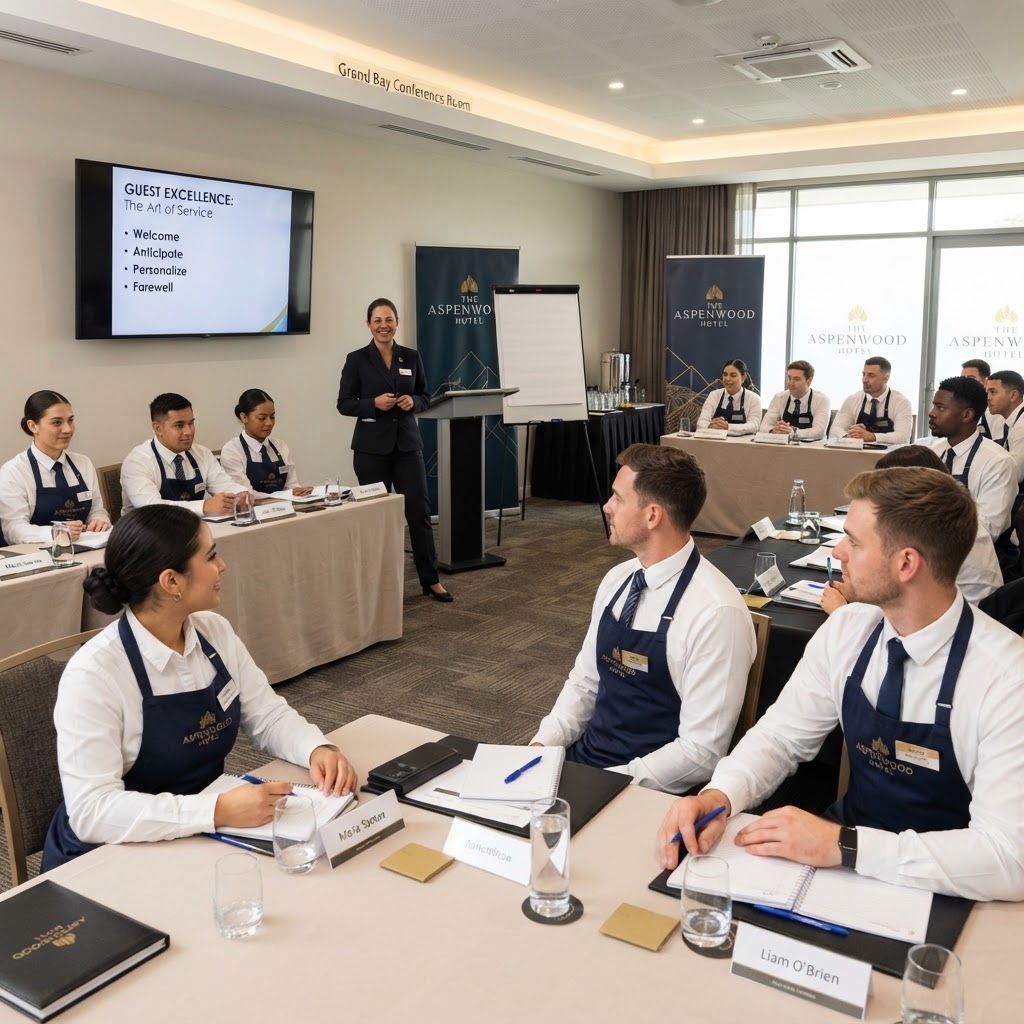
Building a Culture of Excellence
Training isn't just about teaching someone how to carry a tray. It is about instilling a culture of anticipation. In South Africa, where wedding customs often involve complex family dynamics and diverse cultural requirements, your staff needs to be more than just waiters; they need to be problem solvers.
Defining Service Standards
Every member of your team should understand the 'VenueFlow Standard.' This includes standardized greetings, knowing how to handle a vendor conflict, and maintaining discretion during private moments. Ensure your team understands the importance of coordinating seamlessly with external wedding suppliers, such as planners and decor specialists.
The Anatomy of a High-Pressure Wedding Day
Wedding days in South Africa can be intense. From late arrivals to unexpected weather changes, staff must remain calm under pressure. Train your team using the 'Five-Second Rule': when a problem arises, they have five seconds to acknowledge it and another sixty seconds to escalate it to the venue manager.
Great service is not about being invisible; it is about being indispensable.

Investing in Your Team: Cost vs. Benefit
While training takes time and money, the cost of a bad review can be catastrophic. If you are managing wedding venues, consider the lifetime value of a client. A single poorly trained waiter can ruin an R200,000 wedding reception. Investing in professional hospitality workshops or internal training programs pays for itself within two or three bookings.
Retention Strategies
High staff turnover is a plague in the SA hospitality industry. Offer competitive wages, clear career progression paths, and consistent feedback sessions. When staff feels valued, they treat your guests with the same level of care.
Managing Cultural Nuances and Diversity
South African weddings are a vibrant melting pot. From traditional Zulu ceremonies to classic Western receptions, your team must be culturally literate. Provide training on specific cultural expectations, such as proper gift-handling or respecting traditional wedding attire, to ensure every guest feels at home.

Leveraging Technology for Operations
Don't rely on paper checklists. Utilize digital platforms to track tasks. If you are not yet listed on our blog or registry, consider how your venue can better integrate with digital tools to streamline communication between your kitchen, bar, and floor managers.
Conclusion: Start Training Today
Excellence is not an accident; it is a habit. By formalizing your training programs, you position your venue as a market leader. If you are ready to take your venue to the next level, sign up with VenueFlow to connect with the right partners and refine your operations.
Frequently Asked Questions
How often should I conduct staff training?
We recommend a full-day workshop before the peak wedding season starts, followed by short 15-minute 'huddles' before every major event to go over the day's specific requirements.
What is the most important skill for a wedding waiter?
The ability to anticipate needs before they are verbalized is paramount. A great waiter sees a guest looking for a drink and is already on their way with a glass before the guest even asks.
How can I handle staff burnout during busy season?
Implement a rotating roster that ensures your team gets adequate rest between back-to-back weekend weddings. Recognizing and rewarding staff for going above and beyond also helps maintain morale.